Animais Exóticos, Selvagens, Silvestres, Aves, Peixes, Mamíferos Marinhos, Zoologia Medicina Física e de Reabilitação, Fisiatria e Terapias Assistidas
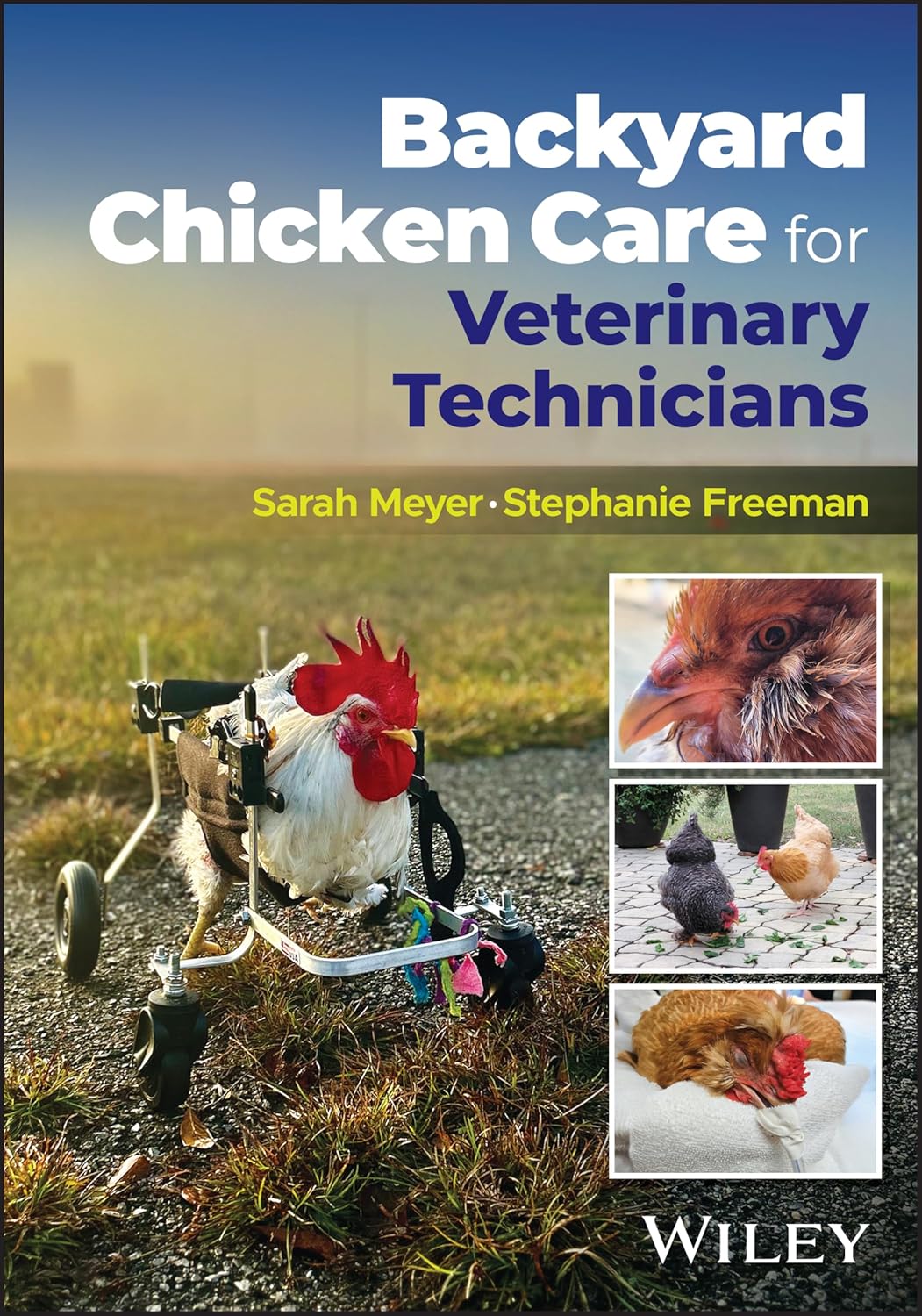
Backyard Chicken Care for Veterinary Technicians
De: Sarah Meyer, Stephanie Freeman
ISBN: 9781394349449
2026, Wiley
Capa mole
Páginas: 352
-
Clinical chicken care tailored for veterinary technicians and nursing teams
As backyard chicken flocks grow increasingly common, veterinary practices face rising demand for individual bird care, yet most poultry references target commercial production. Backyard Chicken Care for Veterinary Technicians and Nurses provides diagnostic, therapeutic, and nursing interventions designed for pet chickens. Organized by body system, this manual moves beyond flock-level culling approaches to deliver clinically actionable guidance supporting individualized patient treatment.
Coverage spans common breeds and breed-specific health concerns, incubation and hatching techniques, thoughtful coop design, environmental enrichment, and nutrition. Disease chapters present recommended diagnostic testing, treatment protocols, and nursing care measures. Common surgical procedures include step-by-step instructions for post-operative care and wound therapy, while discharge instructions and homecare recommendations support client education.
The book also includes:
- A drug formulary listing common medications with specific uses, dosages, and contraindications for safe chicken treatment
- Guidance on emergency care protocols and humane euthanasia procedures to support difficult clinical decisions in practice
- Seasonal flock management strategies addressing housing adjustments, nutritional needs, and environmental controls throughout the year
- Nursing techniques for bandaging, fluid therapy, and supportive care measures specific to individual backyard chickens
- Detailed illustrations and practical reference materials designed for rapid consultation during clinical appointments and procedures
Designed for credentialed veterinary technicians, veterinary nurses, and veterinary assistants who encounter pet chickens in clinical practice, this manual provides the breed knowledge, diagnostic protocols, surgical nursing guidance, and therapeutic references needed to deliver confident, individualized care for backyard flocks.
Chapter 1 – Acquiring Chickens and Common Breeds
Chapter 2 – Life Stages and End-of-Life
Chapter 3 – Husbandry, Housing, and Biosecurity
Chapter 4 – Nutrition
Chapter 5 – Behavior, Body Language, and Vocalizations
Chapter 6 – Physical Examination
Chapter 7 – Integumentary Diseases and External Parasites
Chapter 8 – Gastrointestinal Diseases and Internal Parasites
Chapter 9 – Cardiovascular and Respiratory Diseases
Chapter 10 – Reproductive Diseases and Disorders
Chapter 11 – Viral, Bacterial, and Fungal Diseases
Chapter 12 – Musculoskeletal Diseases and Disorders
Chapter 13 – Neurological, Ophthalmic, and Aural Diseases
Chapter 14 – Anesthesia, Common Surgical Procedures, and Post-Operative Care
Chapter 15 – Emergent Care and Wound Management
Chapter 16 – Common Drug Therapies
Chapter 17– Client Education and Patient Discharge Instructions
-
Sarah Meyer, CVT, FVTE
Is Assistant Professor and Program Director of Veterinary Technology at Pensacola State College. A Fellow in Veterinary Technician Education and Academy of Teaching Excellence inductee, she has over 30 years of experience in chicken husbandry and clinical practice spanning farm animal medical and surgical nursing, small animal critical care, and veterinary education.
Stephanie Freeman, CVT
Is Lead Credentialed Veterinary Technician at Companion Animal Clinic. A graduate of Pensacola State College’s Veterinary Technology Program, she brings over 20 years of clinical and personal veterinary nursing care experience with chickens and other poultry species to daily practice.